
Contact Info
Sunmono Industrial Park, Sunshine Avenue, Jiangxia District, Wuhan City, Hubei Province, China
New York.
The software operating a CNC fabric cutting machine forms the backbone of modern textile production. This specialized software controls cutting accuracy, material handling, and production workflow in industrial garment cutting systems. Understanding the software architecture helps manufacturers optimize their precision textile cutting operations and reduce waste while improving quality.
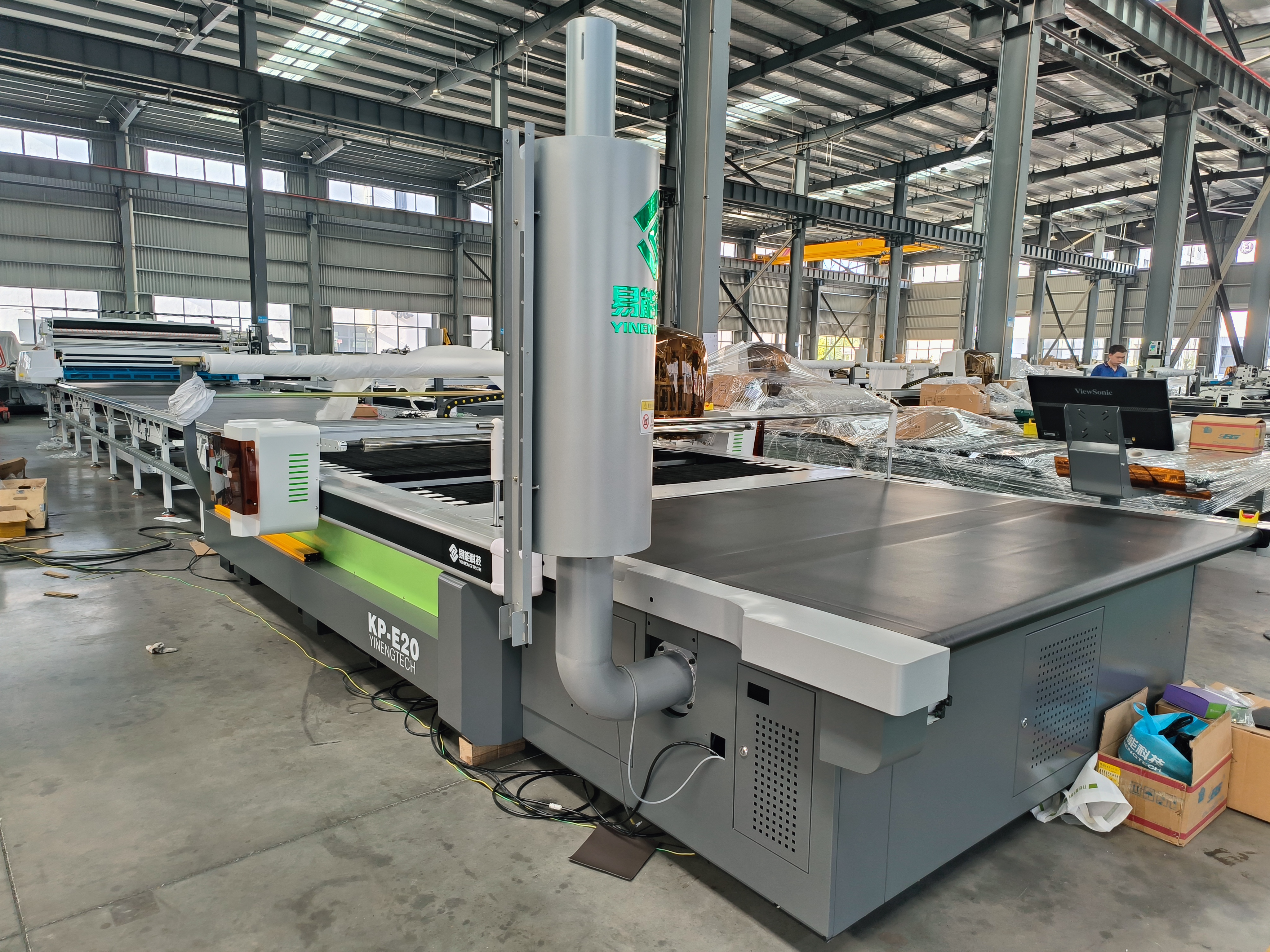
Modern automated fabric cutter systems rely on integrated software platforms designed specifically for textile and garment industries. These applications manage everything from design file processing to machine execution, ensuring consistent results across multiple production runs. The software enables operators to automate repetitive tasks, maintain dimensional accuracy, and track material usage efficiently across cutting operations.
The software begins with design file integration, accepting formats like DXF, PDF, and proprietary CAD files. Nesting algorithms automatically arrange pattern pieces on fabric layouts to minimize waste and optimize material utilization. This intelligent positioning reduces fabric costs significantly while maintaining precision textile cutting quality. The software calculates optimal placement without manual intervention, accelerating the planning phase of production.
Advanced nesting features consider fabric grain direction, pile direction, and pattern matching requirements. The automated fabric cutter software automatically detects these constraints and positions pieces accordingly. Operators can set parameters for minimum spacing, grain alignment, and directional requirements before the algorithm generates cutting layouts. This automation eliminates guesswork and ensures consistent results across batches.
Once nesting is complete, the software translates designs into machine-executable code. The precision textile cutting system receives instructions for blade positioning, cutting speed, and tool movements. Real-time monitoring displays current cutting progress, material position, and any error conditions. Operators can pause, adjust, or resume operations through the control interface without stopping the entire industrial garment cutting system.
The software manages multiple cutting heads simultaneously in advanced CNC fabric cutting machine models. Coordinated blade movement ensures synchronized cutting across different pattern pieces. Automated tool changing, vibration control, and pressure adjustment happen without operator input. This level of automation reduces human error and increases throughput significantly.
Effective CNC fabric cutting machine software maintains comprehensive material databases storing cutting parameters for different fabric types. Polyester, cotton, silk, technical fabrics, and specialty textiles each require specific blade speeds, cutting pressures, and acceleration rates. The software automatically retrieves appropriate settings when operators select materials, eliminating manual configuration that could compromise precision textile cutting quality.
Users can customize and save cutting profiles for proprietary fabric blends or unique requirements. Historical data from previous runs informs optimization suggestions. The automated fabric cutter system learns from production results and recommends parameter adjustments that improve cut quality or increase speed. This adaptive approach continuously improves industrial garment cutting system performance over time.
Modern CNC fabric cutting machine software includes built-in analytics tracking cut accuracy, material waste percentages, and production speed. Historical reports show how specific fabrics, patterns, and operators perform under different conditions. This data identifies trends, reveals optimization opportunities, and supports quality control documentation. Production analytics help manufacturers demonstrate compliance with customer specifications and industry standards.
The precision textile cutting system generates detailed reports showing actual versus expected results for each production batch. Discrepancies trigger alerts, allowing operators to investigate root causes before quality issues escalate. Integration with enterprise systems enables seamless data flow between cutting operations and inventory management, improving overall manufacturing efficiency.
Sophisticated industrial garment cutting system software manages production workflows across multiple cutting stations. Job queuing, automatic load balancing, and machine availability tracking ensure continuous operation. When one automated fabric cutter completes a job, the system automatically assigns the next task. This orchestration minimizes downtime and maximizes utilization rates across the cutting department.
The software supports remote monitoring and control capabilities, allowing supervisors to oversee operations from central control rooms. Production dashboards display real-time status, efficiency metrics, and alerts. Preventive maintenance schedules are automatically generated based on machine usage and operational data. This proactive approach reduces unexpected downtime and extends equipment lifespan significantly.
Modern CNC fabric cutting machine software communicates with CAD systems, ERP platforms, and quality management tools. Standard protocols enable data exchange without proprietary integration work. APIs allow custom development for unique business requirements. This open architecture means the precision textile cutting system adapts to existing workflows rather than forcing operational changes.
Cloud connectivity enables secure data backup and remote access to production files. Manufacturers can manage cutting schedules, update designs, and monitor performance from multiple locations. Version control prevents accidental use of outdated patterns. Automatic updates keep the automated fabric cutter system current with latest features and security improvements without disrupting production.
CNC fabric cutting machines handle virtually all textile types including woven, knitted, nonwoven, and technical fabrics. Software parameters adjust cutting speed, pressure, and blade type based on material properties. Delicate fabrics like silk require gentle cutting speeds, while heavy materials need higher pressure. The precision textile cutting system accommodates single-layer cutting for delicate work and multi-layer cutting for production efficiency.
Advanced nesting algorithms position pattern pieces to minimize gaps and leftover material. The automated fabric cutter software considers grain direction, directional patterns, and fabric width constraints. Compared to manual layout methods, intelligent nesting typically reduces waste by fifteen to thirty percent. Over large production volumes, these savings significantly impact material costs and environmental impact.
Yes, the software stores multiple user profiles with different permission levels and customized settings. Operators can save their preferred parameters and interface configurations. The industrial garment cutting system maintains separate job histories and performance metrics per user. Training materials and contextual help guides support operators at different experience levels.