
Contact Info
Sunmono Industrial Park, Sunshine Avenue, Jiangxia District, Wuhan City, Hubei Province, China
New York.
Selecting the right spreader machine is a critical decision that directly impacts your textile production efficiency, fabric quality, and operational costs. A poorly chosen spreader machine can lead to inconsistent fabric laying, material waste, production delays, and increased labor expenses. Conversely, the right equipment investment ensures smooth fabric handling, consistent ply alignment, reduced defects, and improved throughput. This guide walks you through the essential factors to evaluate when choosing a spreader machine that aligns with your business size, production volume, and quality requirements.
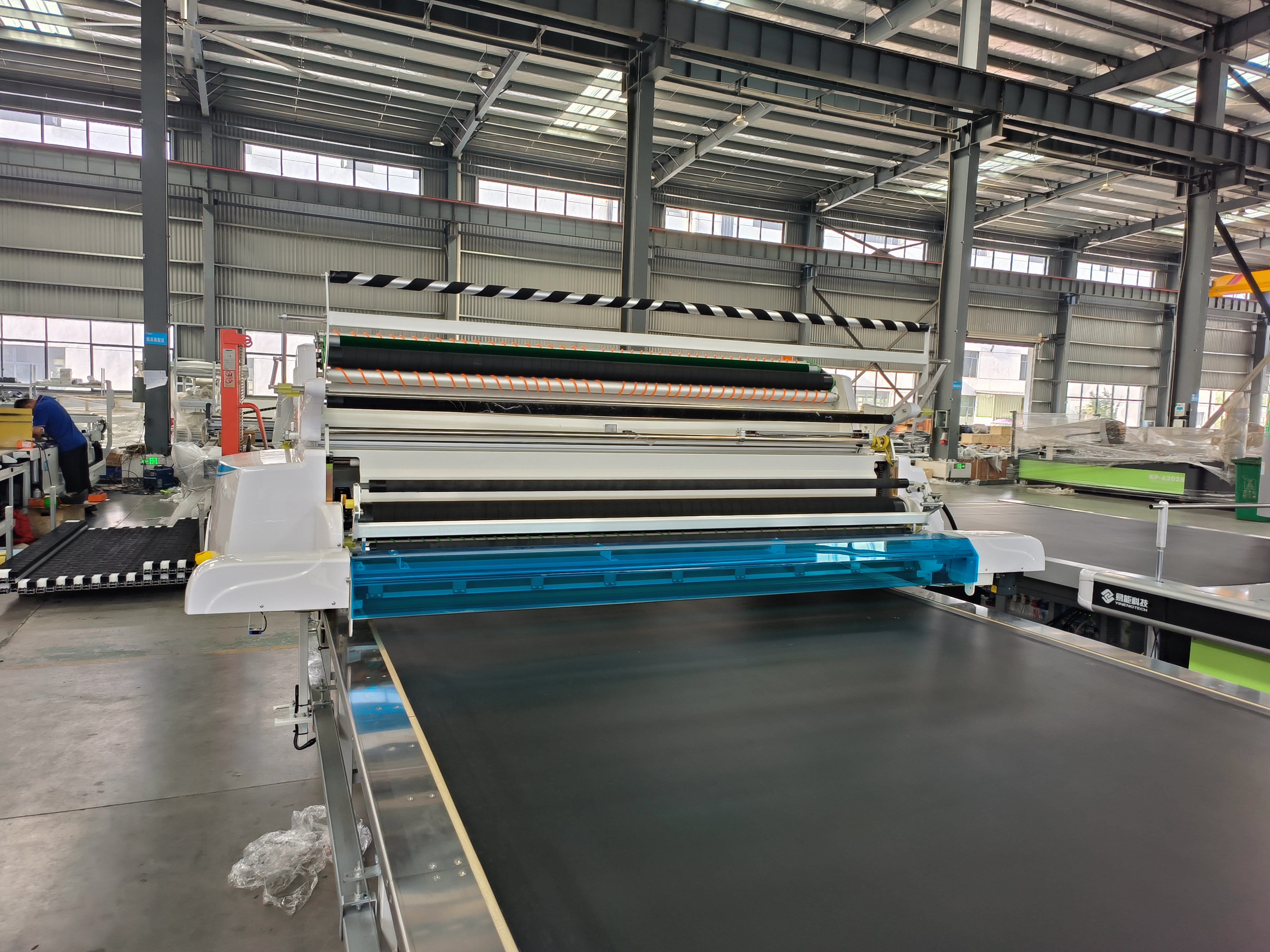
The fabric spreading equipment landscape has evolved significantly over the past decade. Modern automated spreader systems now offer features ranging from manual operation to fully integrated textile spreading technology with real-time monitoring. Understanding the differences between these options, their capabilities, and their cost structures will help you make an informed decision that maximizes return on investment while meeting your current and future production needs.
The size and scale of your business directly determines which fabric spreading equipment category suits you best. Small to medium-sized garment manufacturers with daily fabric volumes under 500 meters may benefit from semi-automatic or manual spreading solutions, which require lower capital investment and simpler maintenance. Mid-sized operations handling 500 to 2,000 meters daily typically thrive with entry-level automated spreader systems that balance efficiency gains with reasonable equipment costs. Large-scale manufacturers producing over 2,000 meters daily generally require fully automated textile spreading technology with synchronized cutting capabilities, advanced speed controls, and minimal operator intervention.
Before committing to any spreader machine, calculate the payback period by comparing equipment costs against labor savings, material waste reduction, and production speed improvements. An automated spreader system typically reduces labor requirements by 30 to 50 percent compared to manual spreading, depending on fabric type and operator skill. Fabric spreading equipment that minimizes creasing, wrinkles, and ply slippage can reduce fabric waste by 2 to 5 percent, which translates to substantial savings in high-volume operations. When evaluating textile spreading technology, factor in maintenance costs, spare parts availability, training time, and expected equipment lifespan, typically 8 to 12 years for quality industrial spreader machines.
Modern fabric spreading equipment varies significantly in spreading speed, measured in meters per minute. Manual spreader machines typically operate at 10 to 20 meters per minute, while semi-automatic systems achieve 20 to 40 meters per minute, and fully automated textile spreading technology can reach 60 meters per minute or higher. Table width capacity ranges from narrow machines handling 60-inch or 150-centimeter fabrics to wide systems accommodating 180-inch or 460-centimeter materials. Consider whether your business processes primarily narrow fabrics, wide goods, or both, as this determines machine specifications. Precision control features in advanced spreader machines include electronic length counters, automatic ply number adjustment, fabric tension regulation, and anti-wrinkle systems that ensure consistent lay quality across all plies.
Not all fabric spreading equipment performs equally across different textile types. Delicate fabrics like silk, chiffon, and lightweight synthetics require gentle handling and precise tension control to prevent snagging and stretching. Heavy fabrics including denim, canvas, and knit materials demand robust spreader machines with powerful motors and strong ply pressing mechanisms. Your spreader machine should handle various fabric weights, weaves, and finishes without requiring extensive setup changes between style changes. Automated spreader systems with adjustable speed, tension, and guide rail settings offer superior flexibility compared to fixed-speed manual machines, making them ideal for facilities processing diverse product ranges.
The degree of automation in your chosen spreader machine affects labor efficiency, skill requirements, and long-term operational costs. Manual fabric spreading equipment requires experienced operators with strong technical knowledge and demands sustained physical effort, limiting daily output and increasing fatigue-related errors. Semi-automatic textile spreading technology reduces operator workload while retaining manual control over critical processes, making it suitable for facilities with moderate automation adoption. Fully automated spreader systems minimize operator involvement, require shorter training periods for new staff, and enable consistent high-volume production with minimal human error. However, more automated solutions demand higher initial investment, more sophisticated maintenance protocols, and better technical support infrastructure from your supplier.
A critical yet often overlooked factor is the availability of technical support, maintenance services, and spare parts for your spreader machine. Establish whether your equipment supplier maintains local service centers, offers remote diagnostics, and stocks critical components within your region. Machines requiring frequent maintenance or having limited spare parts availability can create extended downtime, disrupting production schedules and increasing overall cost of ownership. Request detailed maintenance schedules, expected component lifespans, and warranty coverage duration from potential suppliers. Evaluate the training resources provided, including operator manuals, video tutorials, and on-site technician support, to ensure your team can operate and troubleshoot the fabric spreading equipment effectively after purchase.
The most impactful features for waste reduction include precise ply alignment systems, electronic length counters, and anti-wrinkle mechanisms that prevent fabric shifting and creasing. Automated spreader systems with tension regulation and real-time feedback ensure consistent fabric lay across all plies, minimizing cutting errors and scrap generation. Additionally, fabric spreading equipment with quick changeover capabilities and accurate speed control allows operators to optimize settings for specific fabric types, further reducing waste during transitions between different materials and style changes.
Automated spreader systems typically reduce labor requirements by 30 to 50 percent compared to manual spreading operations. An operator using manual spreader machines may spread 8 to 12 pieces per day, while textile spreading technology in semi-automatic mode enables 20 to 30 pieces daily, and fully automated systems can achieve 50 pieces or more. Labor savings extend beyond spreading speed; automated systems reduce repetitive strain injuries, decrease training time for new operators, and enable one technician to oversee multiple machines simultaneously, significantly lowering per-unit production labor costs.
Most facilities producing over 1,000 meters of fabric daily see positive return on investment within 18 to 24 months when upgrading to automated spreader systems. For businesses processing 500 to 1,000 meters daily, semi-automatic textile spreading technology often provides the best balance between cost and efficiency gains. Operations below 500 meters daily may find that manual or entry-level fabric spreading equipment meets their needs more cost-effectively, unless they prioritize consistency and precision over immediate cost savings or plan significant growth within the next few years.