
Contact Info
Sunmono Industrial Park, Sunshine Avenue, Jiangxia District, Wuhan City, Hubei Province, China
New York.
Operating a CNC fabric cutting machine requires comprehensive technical preparation and hands-on skill development. Unlike traditional manual cutting methods, these precision systems demand operators understand complex software interfaces, mechanical calibration, material properties, and safety protocols. The investment in proper training directly impacts production quality, equipment longevity, and workplace safety. Organizations deploying automated fabric cutters must establish structured training programs that cover both theoretical knowledge and practical operation.
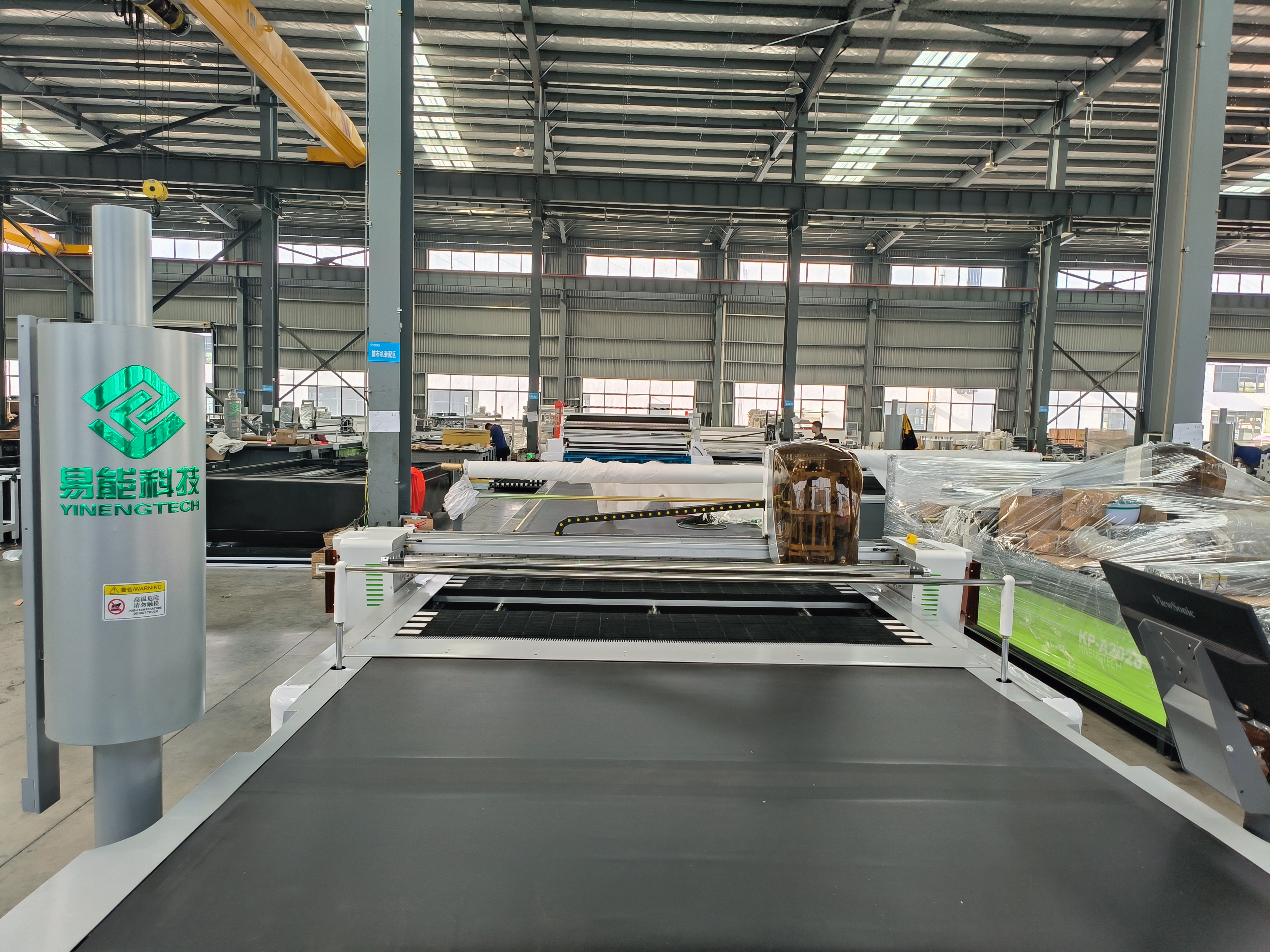
Training for precision textile cutting systems goes beyond simply pressing buttons. Operators must develop competency across multiple technical domains including material handling, machine calibration, pattern programming, quality inspection, and preventive maintenance. Each fabric type, from delicate silk to heavy canvas, requires different cutting parameters and handling techniques. The complexity of modern industrial garment cutting systems means that inadequately trained operators face significant risks including material waste, equipment damage, production delays, and safety incidents.
Mastering the software interface represents the first major training pillar for precision textile cutting operations. Operators must understand pattern design principles, coordinate systems, nesting optimization, and file format compatibility. They should learn how to import designs, adjust cutting parameters, preview tool paths, and troubleshoot common software errors. Training programs should include hands-on sessions with the specific software platform used in their organization, covering both basic navigation and advanced features like layer management and speed optimization for the automated fabric cutter.
Proficiency with machine mechanics forms the practical backbone of effective operation. Trainees must understand the cutting head mechanisms, blade systems, vacuum control, and positioning accuracy. Proper calibration procedures ensure that the industrial garment cutting system delivers consistent precision across production runs. Training should cover maintenance schedules, blade replacement protocols, and troubleshooting common mechanical issues. Operators need hands-on practice with measuring tools, calibration fixtures, and adjustment procedures before operating the machine independently on production materials.
Different fabrics demand different cutting approaches, making material knowledge essential for automated fabric cutter operators. Trainees must learn how fabric weight, weave structure, elasticity, and finish affect cutting quality and machine performance. Heavy materials like denim require different blade speed and pressure settings compared to lightweight synthetics. Training programs should include a material sample library where operators practice cutting various textile types and learn to adjust precision textile cutting parameters accordingly. Understanding how to read fabric specifications and translate them into machine settings prevents quality defects and material waste.
Establishing proper production setups ensures consistent output from the industrial garment cutting system. Operators must learn correct fabric layering techniques, proper material alignment on cutting beds, and how to secure materials to prevent shifting. Quality training should cover inspection procedures, tolerance requirements, and defect documentation. Trainees need to understand how to measure cutting accuracy, identify blade wear or misalignment issues, and perform spot checks throughout production runs. Regular quality audits during training reinforce these standards and develop operator confidence in maintaining precision textile cutting excellence.
Safety training for CNC fabric cutting machine operations must address specific workplace hazards inherent to automated fabric cutters. Operators face risks from moving cutting heads, high-speed blades, electrical systems, and vacuum mechanisms. Comprehensive training programs teach hazard recognition, proper lockout-tagout procedures, and emergency response protocols. Trainees should practice safe material handling, understand blade safety features, and learn warning signs indicating equipment malfunction. Facility-specific safety practices, emergency shutdown procedures, and personal protective equipment requirements must be clearly communicated and demonstrated during training sessions.
Every operator must know how to respond quickly to equipment faults or safety emergencies. Training should cover emergency stop procedures, blade jam responses, and electrical shutdown methods for the industrial garment cutting system. Operators need to understand which problems they can safely resolve and which require technician intervention. Troubleshooting training for precision textile cutting systems should include common error codes, symptom-based diagnostics, and documentation procedures. Regular safety drills and scenario-based training help operators develop muscle memory for appropriate emergency responses.
Effective training programs for automated fabric cutters follow a logical progression from theory to supervised practice to independent operation. Initial classroom instruction should cover safety fundamentals, equipment overview, and software basics before any hands-on work. Supervised practice sessions allow trainees to apply knowledge under expert observation, building confidence and muscle memory. Gradual responsibility increase, from simple test cuts to complex production patterns, ensures competency development. Training duration typically ranges from two to four weeks depending on complexity and prior operator experience with precision textile cutting systems.
Many organizations require formal certification for CNC fabric cutting machine operation, confirming operator competency and safety readiness. Certification processes may include written examinations, practical demonstrations, and supervised production trials. Beyond initial certification, ongoing training ensures operators stay current with equipment updates, new material types, and enhanced techniques. Advanced training programs can develop expertise in complex nesting optimization, advanced programming, and industrial garment cutting system maintenance. Regular refresher training and cross-training initiatives maintain safety standards and build organizational capacity for precision textile cutting operations.
Training duration for an automated fabric cutter typically ranges from two to four weeks, depending on the machine complexity, software sophistication, and trainee's background experience. Basic operations might require two weeks of concentrated training, while comprehensive mastery of advanced features in precision textile cutting systems could extend to four weeks. The industrial garment cutting system manufacturer often provides recommended timelines, and experienced operators may require less formal instruction than newcomers to automated systems.
While fundamental principles of precision textile cutting transfer between models, significant differences exist in software interfaces, mechanical systems, and specific operating procedures. Operators trained on one system can typically learn new equipment more quickly than untrained personnel, but they still require model-specific training covering the unique features of the industrial garment cutting system. Transfer training usually requires one to two weeks to achieve competency, as operators must adapt to different control systems and parameter adjustments for the new CNC fabric cutting machine.
Ongoing training should include annual safety refreshers, quarterly technique updates for precision textile cutting, and ad-hoc instruction when new materials or product types are introduced. As automated fabric cutter technology evolves, software updates and new features require operator retraining to maximize system capabilities. Best practice organizations also implement peer mentoring programs where experienced operators coach newer team members on the automated fabric cutter, and periodic audits of industrial garment cutting system performance identify additional training needs based on quality metrics or error trends.